
Söndag 26 juli kl. 20
Kristina Vårlid, gitarr
Ariel Ramírez (1921-2010) – Balada para Martín Fierro
Štěpán Rak (1945*) – Voces de profundis
Mario Castelnuovo-Tedesco (1895-1968) – Capriccio Diabolico
PAUS
Francisco Tárrega (1852-1909) – Lagrima
*Alexander Scriabin (1872-1915) – Prelude op. 11, no. 21
*Maurice Ravel (1875-1937) – Pavane pour une infante défunte
*Franz Schubert (1797-1828) – Piano Sonata no. 16, I Moderato
* Arranged by K. Vårlid
Måndag 27 juli kl. 19.30
Nigel North, luta
Mirth & Melancholy – Music of John Dowland (1563-1626)
(8 course lute by Malcolm Prior, Norwich 2024, after Venere c.1590)
Sir John Smith’s Almain
Pavan: Solus cum sola
Melancholy Galliard
The Shoemaker’s Wife, a Toy
My Lady Hunsdon’s Puffe
Lachrimae
Galliard: Earl of Essex
Tarleton’s resurrection
Mrs Winter’s Jump.
Semper Dowland, Semper Dolens.
Queen Elizabeths Galliard
Walsingham
Go from my window
The Frog Galliard
PAUS
Fantasie (D 5)
Mr Dowland’s Midnight
Fortune my foe
King of Denmark’s Galliard
My Lord Willoughby’s Welcome Home
Galliard on a Galliard of Batcheler
Mrs Vaux’s Gigge
Lady Clifton’s Spirit
Fancy (D 6)
Farewell: In Nomine
Forlorne Hope Fancy
Tisdag 28 juli kl. 19.30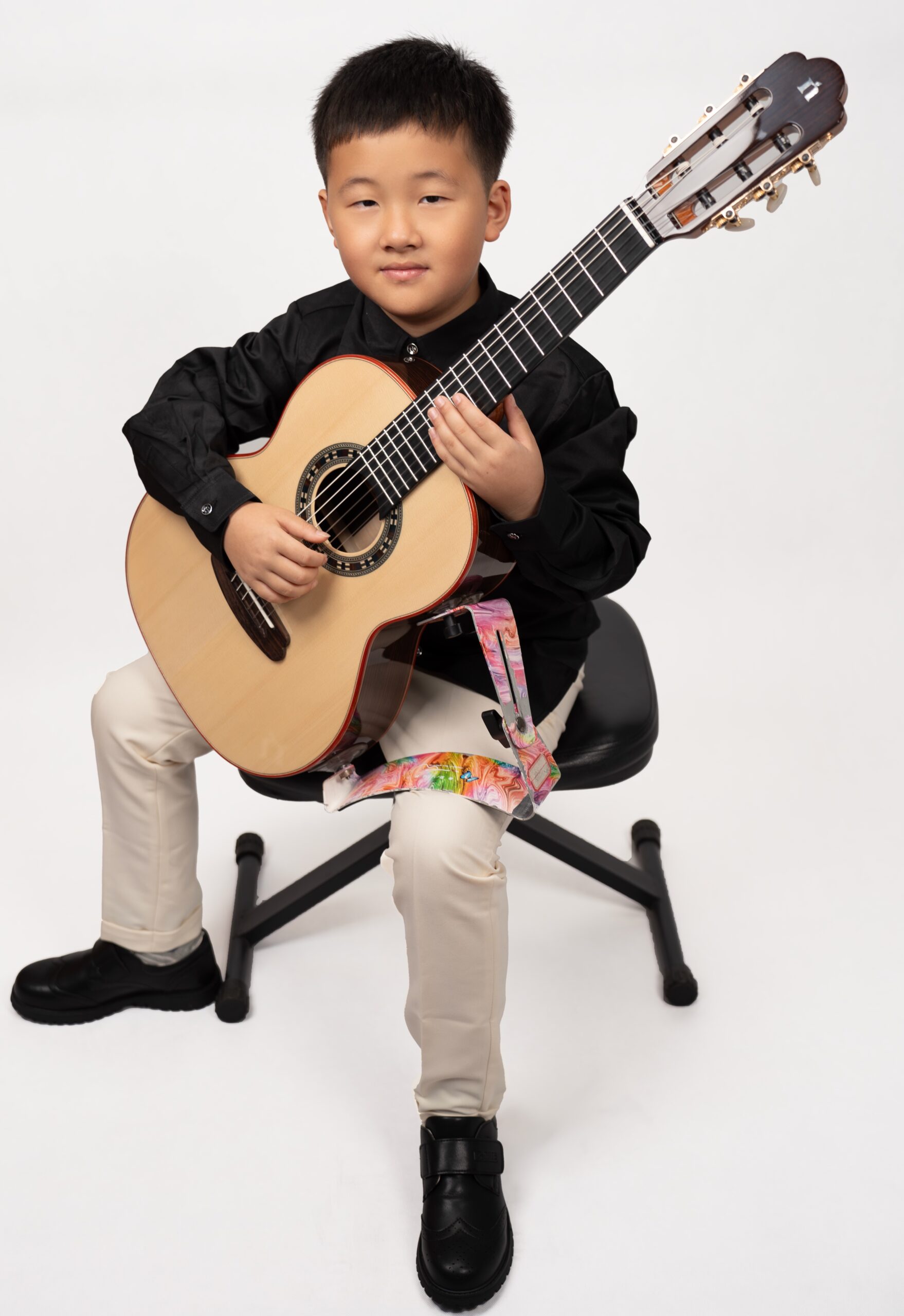
QinQin Yao, gitarr
Manuel de Falla – La vie brève
(QinQin Yao & Ekaterina Vasilyeva Wennman)
Fernando Sor – Introduction and variations from a theme on the Magic Flute, op.9
F. Tarrega – Variaciones sobre El Carnaval de Venecia de Paganini
El Vito La boda de Luís Alonso
J. S. Bach – Chaconne
PAUS

Apollo’s Cabinet
Teresa Wrann blockflöjter
Harry Buckoke viola da gamba
Jonatan Bougt teorb & barockgitarr
Thomas Pickering blockflöjter, traversflöjt & cembalo
Sophia Prodanova barockviolin
QUANTZ ÄR EN ÅSNA – Och andra musikaliska lustigheter från Frederick den Stores hov
Det är den 24e januari 1758 vid det preussiska hovet: Kung Frederick den Store firar sin födelsedag och Apollo’s Cabinet bjuder in publiken att kliva in i festligheterna. Det här en tidsresa in i barocken som är allt i ett: en konsert, historieberättande och ett enda stort partyspel med en drös av humor och musikaliska överraskningar.
Frederick den Store var inte bara en regent, men också en passionerad musikälskare. Endast de bästa kompositionerna var bra nog för hans födelsedagskonsert: virtuosa konserter av Georg Phillip Telemann och Johann Gottlieb Graun, gåtfulla kanon av Johann Sebastian Bach, och inte minst ett pop-medley finns på programmet.
Det bjuds på historieberättande, sång, gissningslekar, skratt samt en nyskriven komposition som publiken själva får komponera med hjälp av tärningar. Som ceremonimästare finner vi kungens flöjtlärare, Johann Joachim Quantz, som guidar publiken under kvällen och ser till så att publiken inte bara får lyssna men också vara en del av festen.
Med det här programmet har Apollo’s Cabinet vunnit flera priser, inklusive första pris i Van Wassenauer Tidig Musiktävling i Utrecht, Royal Over-Seas League Ensemblepris i London, Musikfestspiele Potsdam ”Lunchkonsert-tävling” i Potsdam, Friends of York Prize vid den Internationella Tidig-Musiktävlingen i York och första pris & publikens pris vid Musica Antigua Tävlingen i Tidig Musik i Estella, Spanien.
En födelsedagsfest på barockens vis: virtuositet, skratt, prisvinnande och garanterat fri från tråkig hovetikett.
Frederick den Store Marsh
J. G. Graun – Konsert för Recorder och Violin i C-dur, Allegro
C.P.E. Bach – Hamburger Flötensonate i G Dur, Hg164, Allegretto
J. J. Quantz – Triosonata i C-dur, Vivace
J. S. Bach – Musikalishes Opfer, BWV1079, Canon a 2 cancrizans – Canon a 2 violini unisono – Canon per tonos
J. A. Hasse – Cantata per Flauto, Largo – Allegro
D. Buxtehude – La Capricciosa variationer, Kraut und Rüben med ”gömda” variationer
G. P. Telemann – Overtyr Svit: Les nations anciens et modèrnes, TWV55:G4
J. P. Kirnberger – Der allzeit bereite Menuetten- und Polonaisenkomponist, Tärningskompositioner
J. S. Bach – Was mir behagt, ist nur die muntre Jagd BWV 208, Schafe können sicher weiden
G. P. Telemann – Konsert för blockflöjt och traverso, TWV 52:e1, Presto
Recension: Apollo’s Cabinet. Lakeside, Nottingham, 13 March 2025, 5✩✩✩✩✩.
William Ruff.
https://www.reviewsgate.co.uk/all-reviews/apollos-cabinetnbsp-lakesidenbsp-nottingham
“An evening of musical delights from the court of King Frederick the Great.”
It’s not every day you get invited to a royal birthday party, especially when the royal happens to be Frederick the Great of Prussia, celebrating his 46th birthday in 1758. This generous invitation opening Thursday’s concert given by the early music group Apollo’s Cabinet. And a lot of fun it was too.
King Frederick wasn’t any old monarch. He was obsessed by music – and flute music in particular. This didn’t go down at all well as far as his father was concerned. In fact, his father forbade his son from indulging his musical passions…which only made them stronger. So early music lessons had to be done in private, causing Frederick’s teacher, the celebrated flautist Johann Joachim Quantz, to hide in wardrobes to avoid being discovered.
It was a very jolly idea for Apollo’s Cabinet to assemble the sort of music with which Frederick might have celebrated his birthday. Frederick liked the company of musicians and loved to play his flute with them. Of course, everybody had to be very polite and appreciative of his playing – all except for Quantz who famously was the one person allowed to correct his master…and who seemed to relish this freedom very much.
Thursday’s programme was full of fun and good fellowship. The enthusiasm and enjoyment of the six performers were infectious and it was impossible not to swept along by the sheer joy of making music amongst friends. Amongst the composers featured were Telemann (a special favourite of Frederick’s) as well as Quantz (of course) and other court composers such as Johann Gottlieb Graun and Johann Adolph Hasse.
J.S. Bach was featured too: not surprisingly as the great man had visited Frederick’s palace of Sanssouci in 1747. The product of this meeting was The Musical Offering, which Bach composed and sent to the king after having been called upon to write music based on a theme devised by the king himself. Bach did much more than this, producing for Frederick all sorts of musical riddles and other challenges which he knew that the monarch would enjoy solving. Apollo’s Cabinet played two canons as examples, both mindboggling in their ingenuity.
A gentler side of Bach was on display in Sheep May Safely Graze – which came a brief respite in between much that was astonishingly virtuosic. Hasse’s Cantata per Flauto was a Technicolor piece of musical pyrotechnics – but so was most of the programme, especially the exhilarating Concerto (by Graun) for Recorder and Violin which ended the first half and the dazzling Concerto for Flute and Recorder (by Telemann) that ended the second. The six players who make up Apollo’s Cabinet are versatile, have very nimble fingers and clearly love what they do. The two recorder players switch effortlessly between a vast assortment of instruments and communicating telepathically (or so it would seem) between themselves and their colleagues. They still had enough breath to play two very jolly encores in response to loud applause from an audience that would have been more than happy to hear them play all night.
Recension: A Birthday Celebration People Are Talking About
Haigerloch Palace Concerts
By Thomas Kost
https://www.schwarzwaelder-bote.de/inhalt.haigerlocher-schlosskonzerte-ein-geburtstagsfest-von-dem-man-spricht.8d72e296-29c9-429a-bf5c-c6683c91dab6.html
Dynamic, interactive and brimming with joy, the young ensemble from London performed to a well-filled hall. The group featured recorder player Teresa Wrann, violinist Simone Pirri, Jonatan Bougt on theorbo and Baroque guitar, Harry Buckoke on viola da gamba, Thomas Pickering on recorder, baroque flute and harpsichord, and Jordan Murray on a wide array of percussion instruments. The appearance of the ensemble Apollo’s Cabinet in the Fürstensaal at Bad Imnau was arguably the highlight of the six Haigerloch Palace Concerts held so far.
The fascinating figure of Frederick II (1712–1786) provided the unifying thread for the roughly two-hour performance. Apollo’s Cabinet transported the audience back to the year 1758, to the banquet table at Sanssouci Palace, where the King of Prussia celebrated his 46th birthday. “Flute King” was a title often bestowed upon him, and it suited the evening far better than the nickname “Old Fritz”. The focus was not on Frederick II’s military or strategic achievements, which established Prussia as a great European power, but rather on his artistic talents and personal passions. Frederick the Great was a highly gifted musician and composer who loved playing the flute—much to the displeasure of his father, King Frederick William I of the House of Hohenzollern, the so-called “Soldier King”, who dismissed flute playing as effeminate.
The choice of music for this royal birthday celebration was therefore entirely fitting. The programme featured works by composers who shaped the late Baroque and early Classical periods, including Carl Philipp Emanuel Bach and his father Johann Sebastian Bach. With music by Johann Adolph Hasse, Dietrich Buxtehude and Georg Philipp Telemann, the young ensemble paid tribute to other major figures of the era.
Technically brilliant, effortless and dazzlingly fast:
Naturally, birthday tributes by Johann Gottlieb Graun—concertmaster at Frederick’s court during his time as Crown Prince—and Johann Joachim Quantz, the King’s esteemed flute teacher, were not to be missed.The six musicians interacted seamlessly throughout, but the moments when Pickering and Wrann tossed musical ideas back and forth on their recorders stood out in particular: technically brilliant, feather-light and at times breathtakingly fast. It was a genuine delight, made even richer by the inclusion of pop songs such as the Beatles’ classic Twist and Shout, which fitted perfectly into the programme.
The audience also played an active role in the success of the evening. During the interval, listeners used dice to generate their own compositional ideas. Three of these were drawn at random and, using iPads, were spontaneously woven into a basic melody from Johann Philipp Kirnberger’s ‘Der allezeit bereite Polonaise- und Menuettencomponist.’ The resulting harmonies were surprisingly beautiful. As with any birthday celebration, the evening concluded with a toast to the guest of honour—and what could have been more appropriate than Telemann’s Hoch soll er leben! Yet even then the concert was not quite over: the audience demanded two enthusiastic encores, one of which was, exceptionally, not drawn from the era of “Prussian glory”.
Onsdag 30 juli kl. 19.30
Stora Jörgen Rörby-stipendiet
Tävlingsdeltagare och konsertprogram presenteras utan aktuell spelordning.
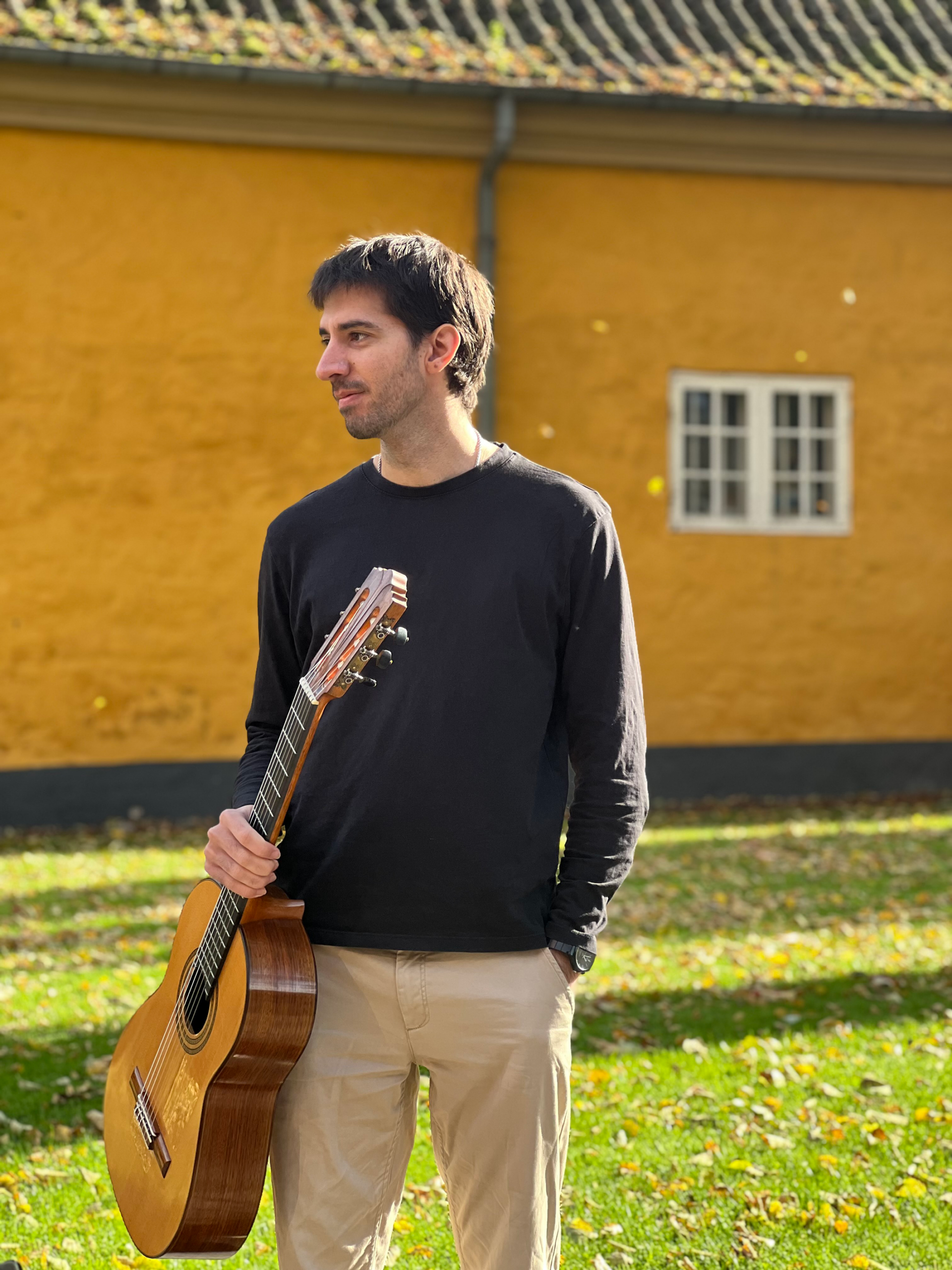
Diogo Alvarez, gitarr
Francesco da Milano — Fantasias nos. 30 and 40
Fernando Sor — Fantasia no. 6, op. 21, ”Les Adieux”
Manuel de Falla — Homenaje for guitar
Roberto Gerhard — Fantasia for guitar
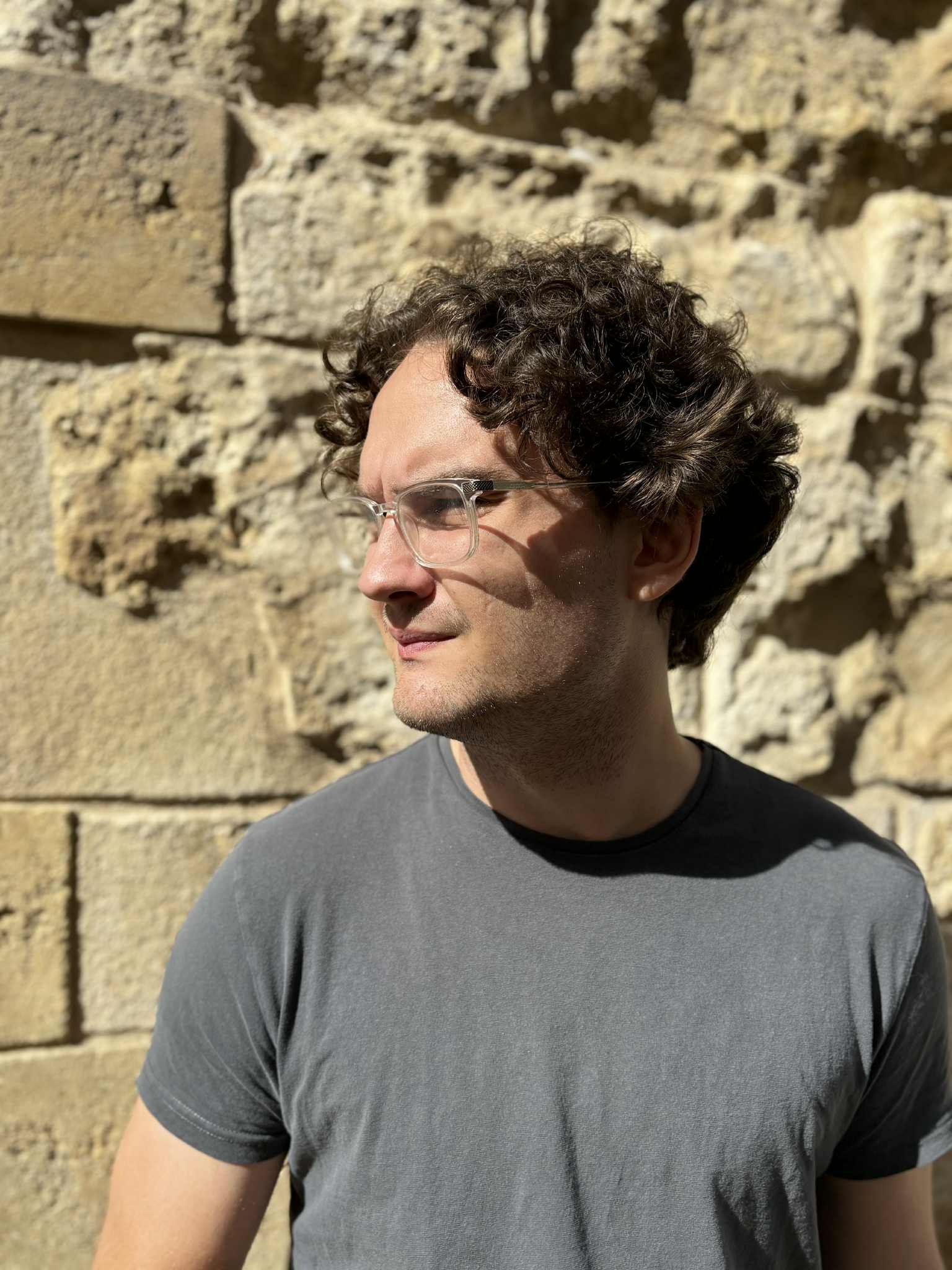
Emil Ekelund, gitarr
J. S. Bach – BWV 998 Prelude & Fuga
F. Sor – Fantasia no. 6, op. 21, ”Les Adieux”
S. Assad – Summer garden suite: Remembrance
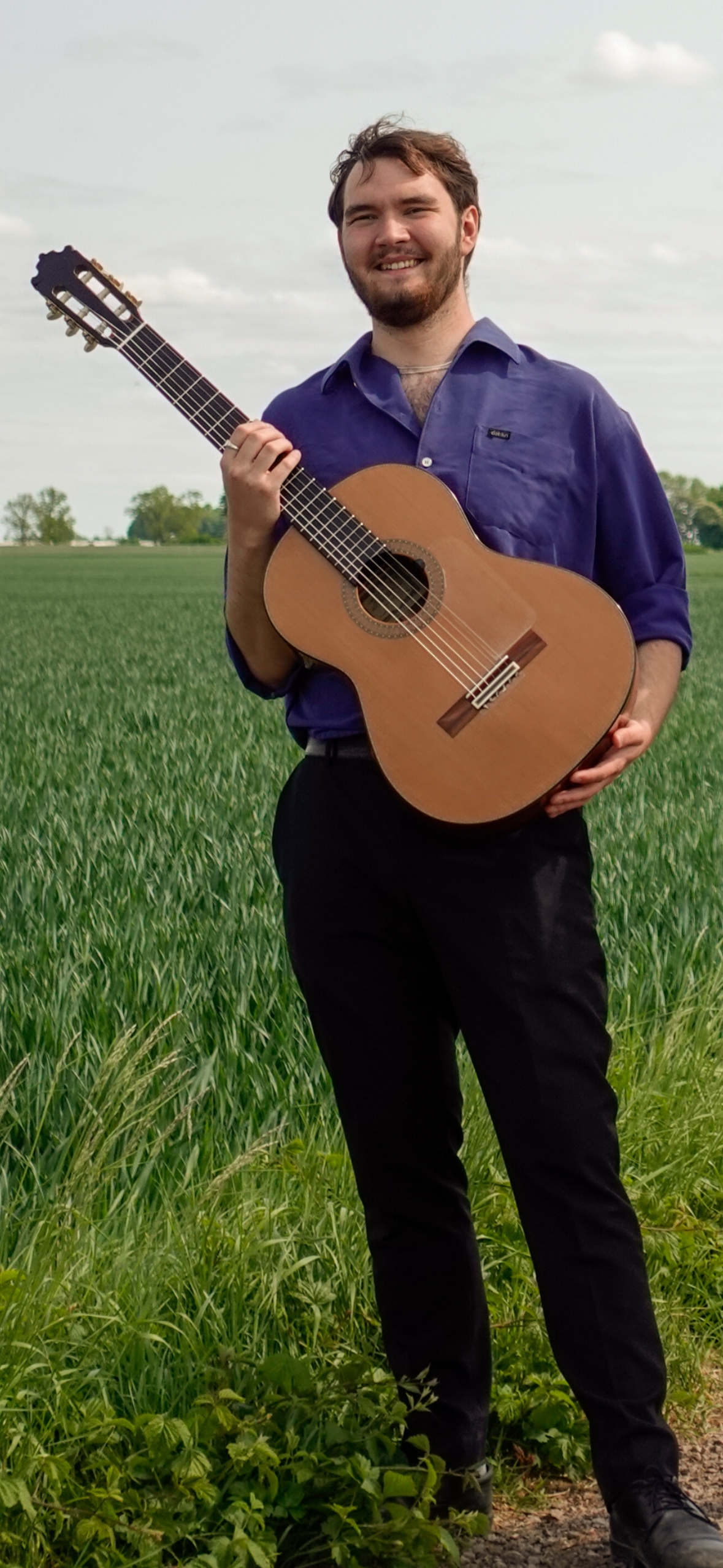
Ludvig Hakeröd, gitarr
F. Sor – Fantasia no. 6, op. 21, ”Les Adieux”
J. S. Bach – BWV 997 Prelude
M. Ponce – Andante espressivo & Allegretto vivo ur Sonata Romantica
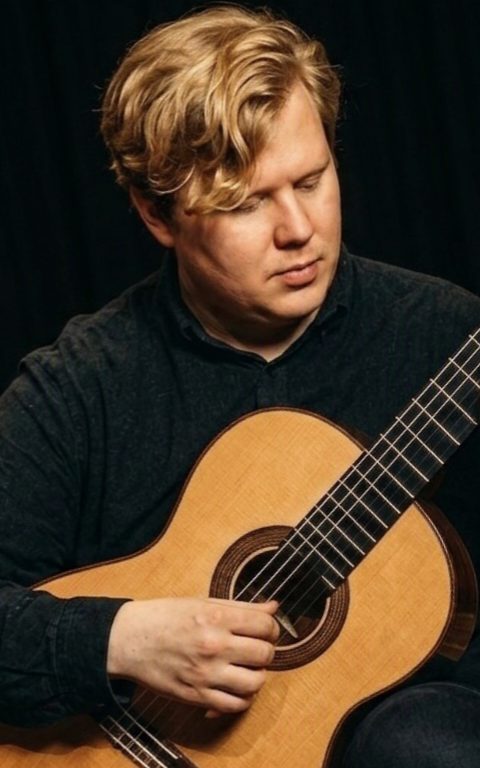
Edvin Hallgren, gitarr
Manuel de Falla – Homenaje a Debussy
F. Sor – Fantasia no. 6, op. 21, ”Les Adieux”
J. S. Bach – BWV 998 Fuga
Torsdag 31 juli kl. 12.40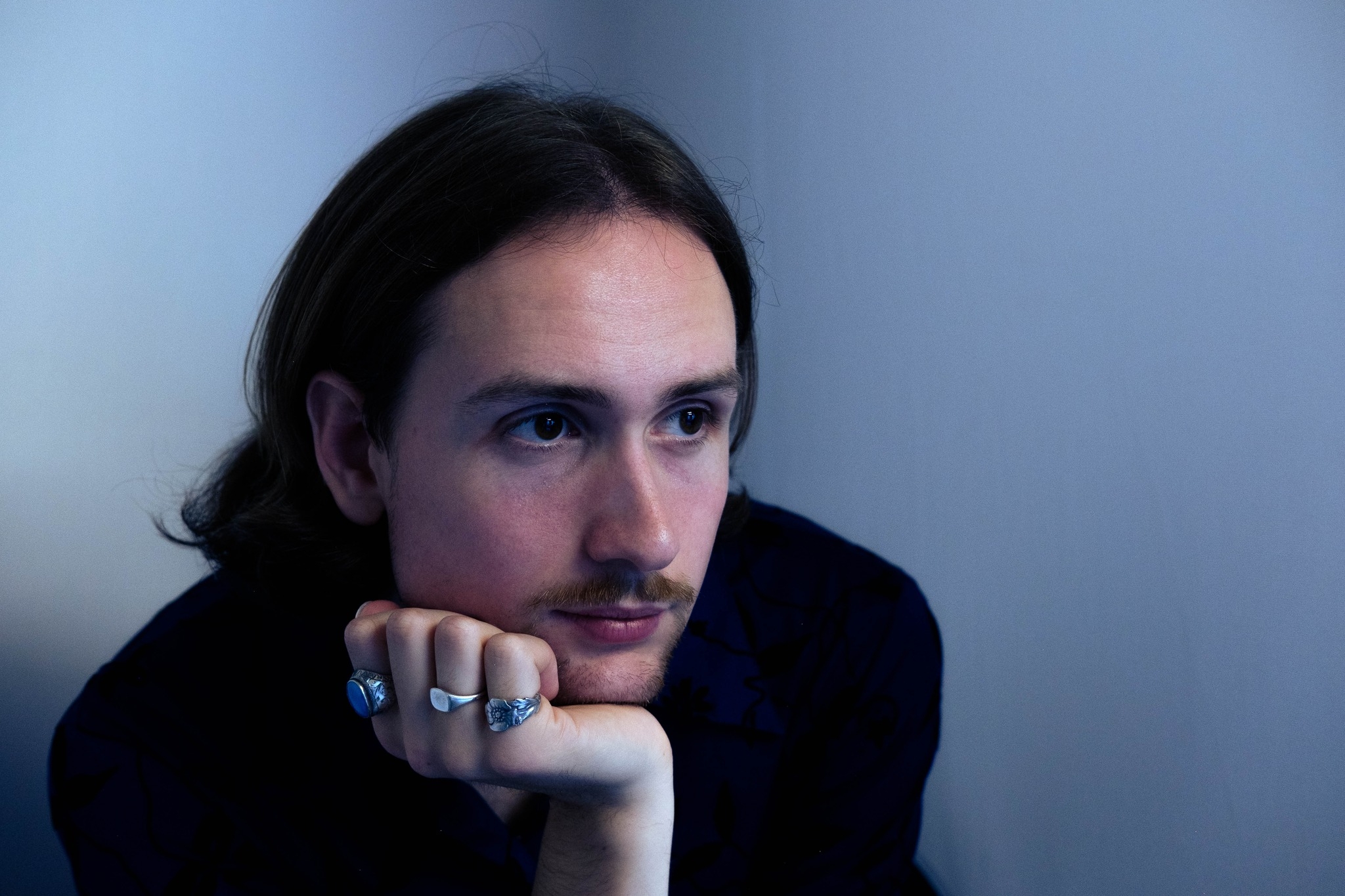
Jon Svenungsson, gitarr & sång
Francisco Tárrega – Endecha & Oremus
Silvius Leopold Weiss – Passacaglia
Antonio Lauro – Seis por derecho
Antonio Caldara – Sebben crudele, mi fai languir’
Franz Schubert – Die liebe Farbe
Fanny Hensel – Nachtwanderer, Op. 7 No. 1
Trad./The Dubliners – Banks of the Roses
Fred Åkerström – Berceuse
Torsdag 31 juli kl. 19.30
Ekaterina Vasilyeva Wennman, gitarr
J. S. Bach – Air from Suite No 3 för Orchestra, BWV 1068
Astor Piazzolla – Inverness Porteno
L. Boutros – Les Echelles du Levant
Stanley Myers – Cavatina
Francisco Tarrega – Recuerdos de la Alhambra
M. Giuliani – Rossiniana no 6
C. Domeniconi – Koyunbaba 1a och 4e satsen
PAUS
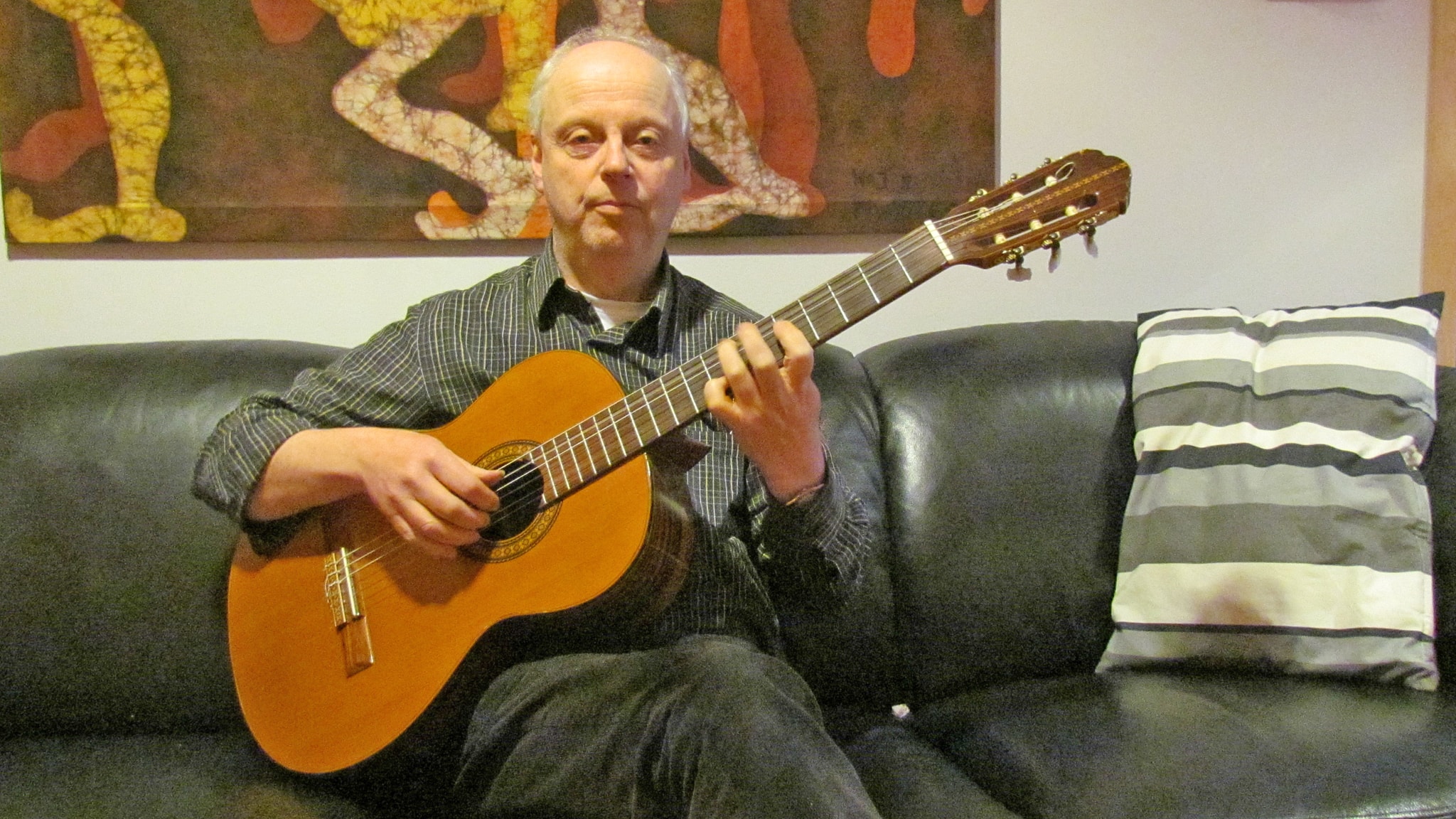
Jan Ekedahl
Jan Ekedahl är en mångfacetterad folkmusikgitarrist och kompositör. Han har länge arbetat på Gotlands Folkhögskola, gästundervisat på högre musikutbildningar och räknas som en gitarrpionjär inom svensk folkmusik. Han har spelat in flera soloalbum och än fler med sin grupp Gunnfjauns kapell.
Fredag 1 augusti kl. 19.00
Elevafton
Föreläsning
Sångens ackompanjemang
Barockens danser
Workshops
Dagens klassiska musikstycke
Barockens danser
DADGAD
Flamenco
Visackomanjemang
Utställning
Gitarr- och lutabyggare från Sverige och Norge
Preliminärt program. Ändringar och och ytterligare inslag kan tillkomma.